
Cell therapy is an innovative treatment that uses the patient’s own or donor cells to treat cancer,
including various technologies such as CAR-T, NK cell therapy, and TIL therapy.
Cell therapy for cancer is one of the most revolutionary breakthroughs in the field of oncology treatment in the 21st century.It uses the patient’s own or donor cells, which are cultured in vitro, genetically modified, or functionally activated and then infused back into the patient, to reconstruct or enhance the immune system’s ability to recognize and kill tumors.
In addition to CAR-T cell therapy, cell therapy also includes various types such as NK cell therapy, CIK cell therapy, DC-CIK therapy, TILs therapy, and stem cell therapy.These innovative therapies have brought new hope to cancer patients who do not respond to traditional treatments and are changing the landscape of cancer treatment.
China is in a world-leading position in the field of cell therapy, with a well-established cell therapy research and development system and rich clinical application experience, providing high-quality and high cost-effective cell therapy services to cancer patients worldwide.
• Principle: genetically modify T cells to express chimeric antigen receptors
• Targets: tumor-specific antigens such as CD19 and BCMA
• Indications: B-cell leukemia, lymphoma, multiple myeloma
• Advantages: high specificity, durable efficacy after a single infusion
• Representative products: Axicabtagene, FUCASO®, Ciltacabtagene
• Principle: utilize the natural anti-tumor activity of natural killer cells
• Sources: autologous NK cells, allogeneic NK cells, NK cell lines
• Characteristics: no prior sensitization required, can recognize multiple tumors
• Advantages: high safety, low risk of GvHD
• Applications: adjuvant treatment for solid tumors and hematologic malignancies
• Principle: cytokine-induced killer cells
• Characteristics: possess dual characteristics of T cells and NK cells
• Preparation: in vitro induction and culture of peripheral blood mononuclear cells
• Advantages: broad anti-tumor spectrum, few side effects
• Applications: adjuvant treatment for various solid tumors and hematologic malignancies
• Principle: dendritic cells (DC) combined with CIK cells
• Mechanism: DC present tumor antigens and activate CIK cells for specific killing
• Characteristics: enhance immune response and improve treatment efficacy
• Applications: postoperative adjuvant treatment for tumors to prevent recurrence
• Principle: isolate infiltrating lymphocytes from tumor tissue, expand them in vitro, and reinfuse them
• Characteristics: possess tumor-specific recognition ability
• Advantages: significant efficacy against solid tumors
• Progress: In 2024, the FDA approved the first TILs product for melanoma
• Hematopoietic stem cell transplantation: a core treatment for hematologic malignancies
• Mesenchymal stem cells: regulate immunity and reduce GVHD
• Applications: management of post-transplant complications and tissue repair

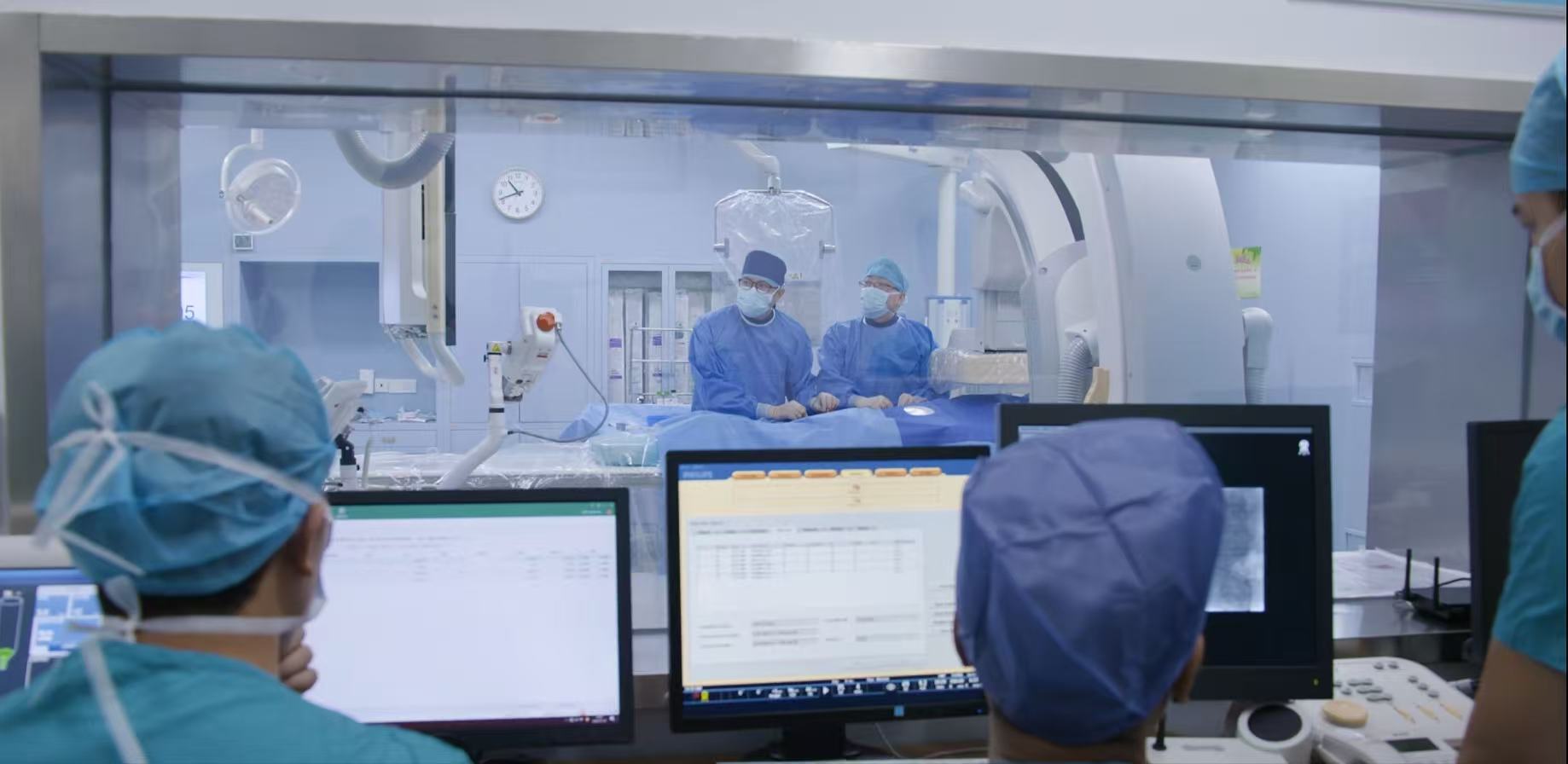
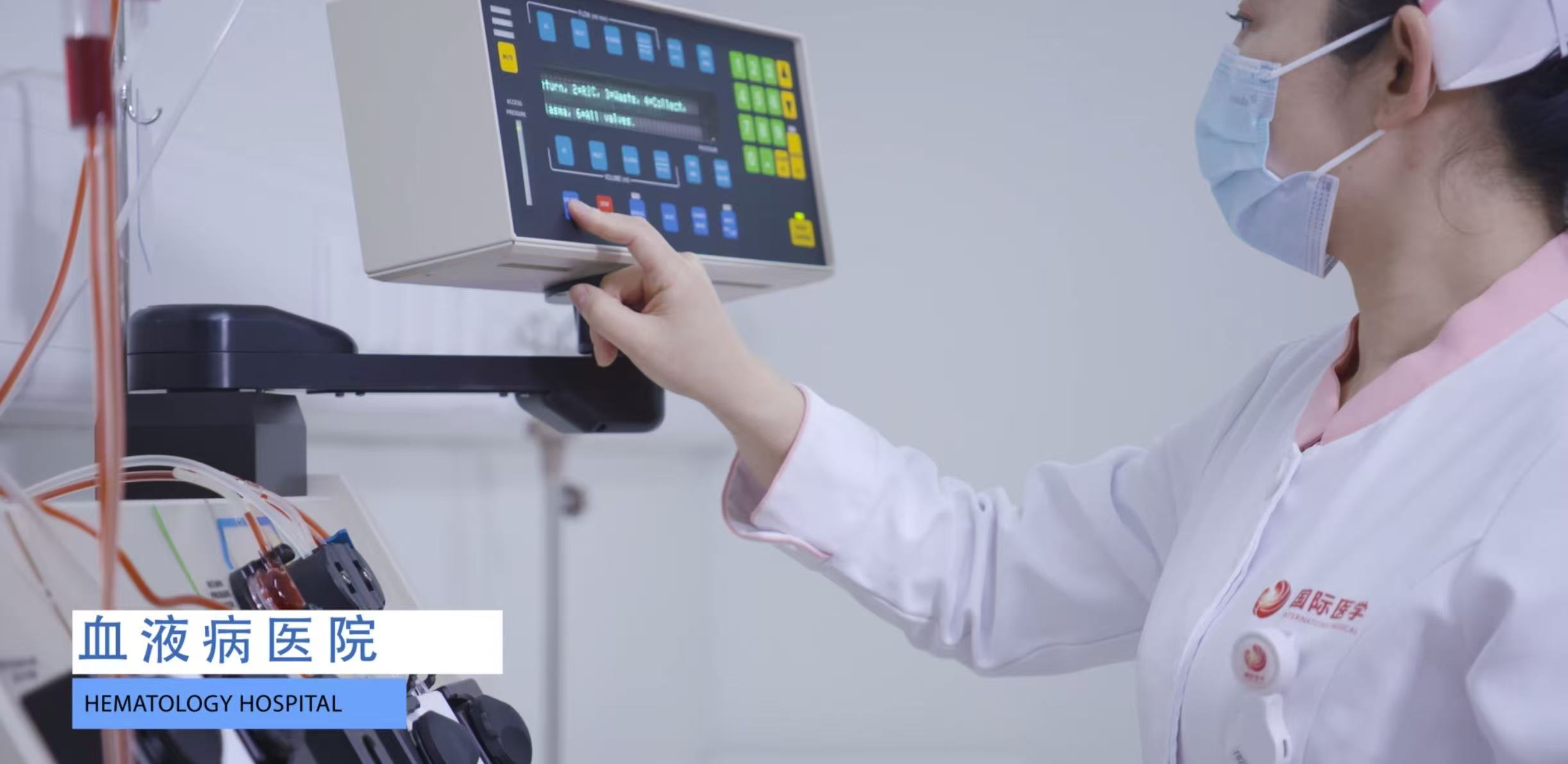
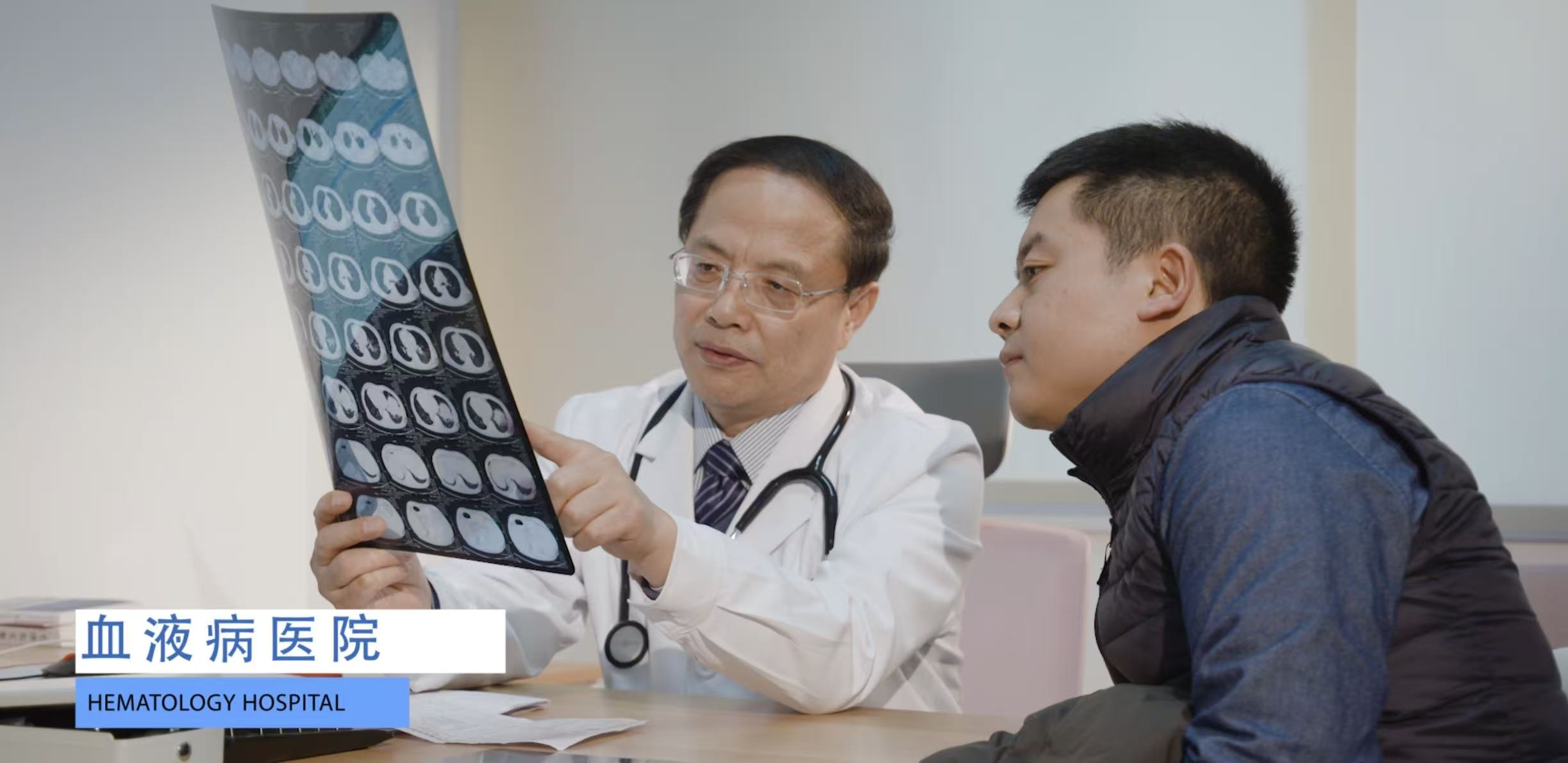
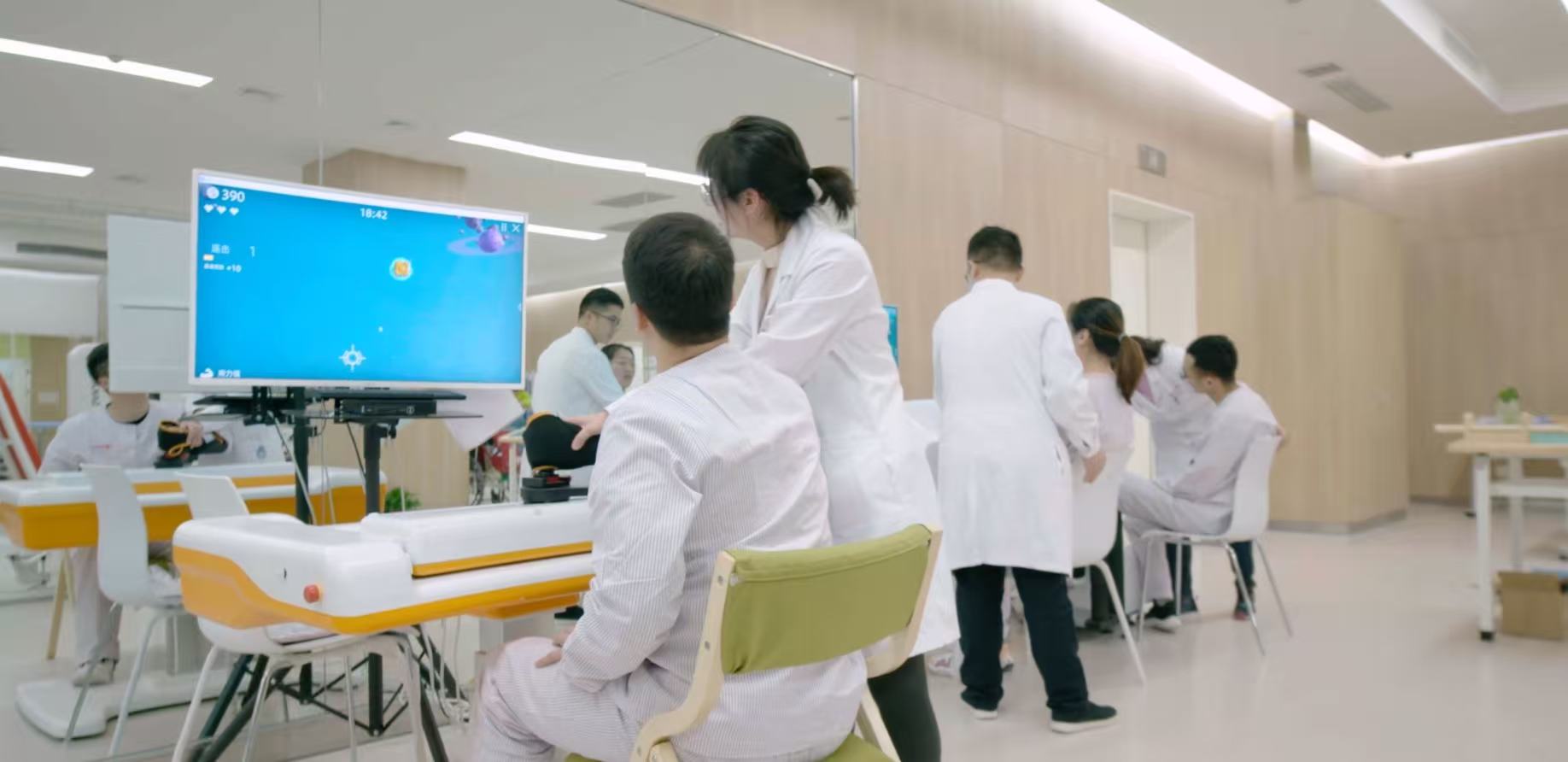
✓ Cover multiple cell therapy technologies, providing patients with the optimal choice
✓ Leading cell therapy center in China with rich clinical experience
✓ Cooperate with top international institutions, mastering the latest technologies
✓ High cost-effectiveness, costs about 50–70% of that in European and American countries
✓ Full-process service, one-stop solution from consultation to follow-up
Cell therapy is a living cell-based treatment that utilizes or modifies the patient’s own cells to attack tumors, with features such as precise targeting and immune memory. Traditional chemotherapy and radiotherapy are non-specific in killing cells and have greater side effects.
Cell therapy is applicable to various types of cancers, including hematologic malignancies (leukemia, lymphoma, myeloma) and solid tumors (lung cancer, liver cancer, gastric cancer, etc.). Specific indications vary depending on the type of cell therapy.
Cell therapy has an overall good safety profile. CAR-T therapy may cause CRS and ICANS, but they are preventable and manageable. NK/CIK cell therapy has mild side effects. Choosing a qualified medical institution is crucial.
The treatment duration varies by type: CAR-T takes about 4–6 weeks, NK/CIK about 2–4 weeks, and TILs about 6–8 weeks. The specific duration depends on the patient’s condition.
The cost varies depending on the type of therapy and treatment plan. In China, the cost of cell therapy is about 50–70% of that in European and American countries. We provide transparent cost evaluations and multiple payment options.
Understand the indications for cell therapy and patient evaluation criteria
Top team, advanced technology, successful cases
Gain an in-depth understanding of CAR-T treatment technology and advantages
24-hour professional consultation to formulate the best treatment plan for you