
Understand the indications, patient selection criteria, and evaluation process of CAR-T cell therapy to
determine whether you are suitable for receiving this innovative treatment.
CAR-T therapy is not suitable for all patients, and understanding whether you belong to the ideal population for CAR-T therapy is crucial. We provide professional CAR-T treatment evaluation and services for the following patients:
Our expert team will evaluate the feasibility and expected benefits of CAR-T therapy based on your specific condition and formulate personalized treatment recommendations for you.
1.Initial Evaluation
• Submit complete medical records
• Expert team conducts remote consultation
• Evaluate the suitability and feasibility of CAR-T therapy
2.Admission Evaluation
• Comprehensive physical examination
• Laboratory tests (complete blood count, biochemistry, coagulation, infection markers)
• Imaging evaluation (CT/MRI/PET-CT)
• Bone marrow aspiration and biopsy
• Cardiac function evaluation (electrocardiogram, echocardiography)
• Pulmonary function evaluation
• Neurological system evaluation
3.Target Antigen Testing
• Flow cytometry to detect CD19/BCMA expression
• Confirm that the antigen positivity rate meets the requirements
4.Lymphocyte Collection
• Use a blood cell separator for leukapheresis
• Collection time is about 3–4 hours
• Collection goal: obtain a sufficient number of T cells
5.CAR-T Cell Preparation
• Perform genetic engineering modification in a GMP laboratory
• T-cell activation, transduction, and expansion
• Preparation period is about 2–3 weeks
• Strict quality testing
6.Product Release Testing
• Sterility testing
• CAR expression rate testing
• Cell viability testing
• Endotoxin testing
7.Lymphodepleting Chemotherapy
• Start 3–7 days before infusion
• Common FC regimen: Fludarabine + Cyclophosphamide
• Purpose: create expansion space for CAR-T cells
8.CAR-T Cell Infusion
• Single intravenous infusion
• Infusion time is about 30–60 minutes
• Close monitoring before and after infusion
9.Acute Phase Monitoring (0–28 days)
• Closely monitor CRS and ICANS
• Daily vital signs monitoring
• Regular laboratory tests
• Administer tocilizumab or corticosteroids when necessary
10.Efficacy Evaluation
• Conduct the first efficacy evaluation 30 days after infusion
• Bone marrow aspiration and imaging examinations
• MRD monitoring
11.Long-term Follow-up
• Regular re-examinations (every 1–3 months)
• Relapse monitoring
• Long-term safety monitoring
• Immune reconstitution assessment
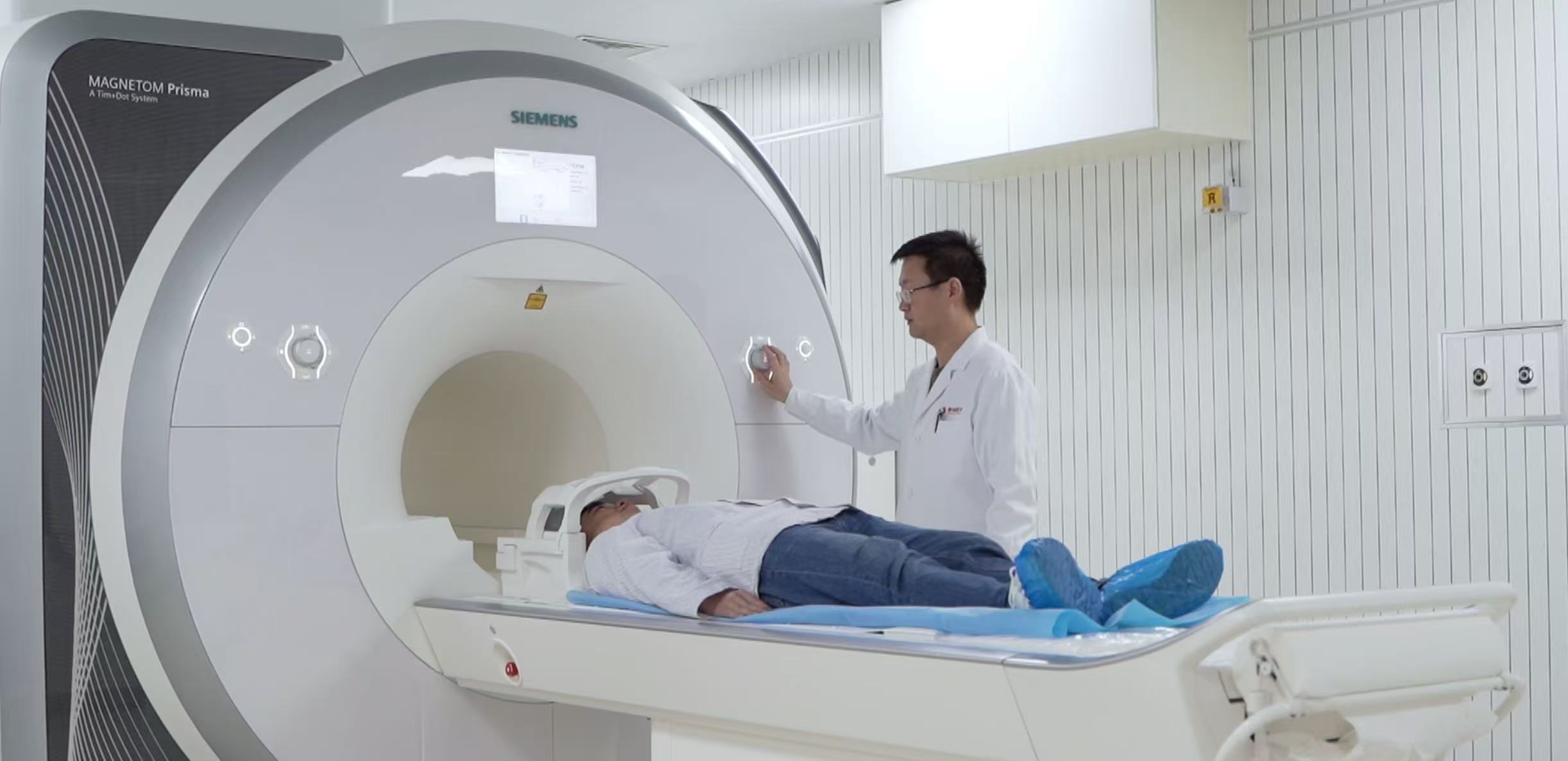
Applicable Population:
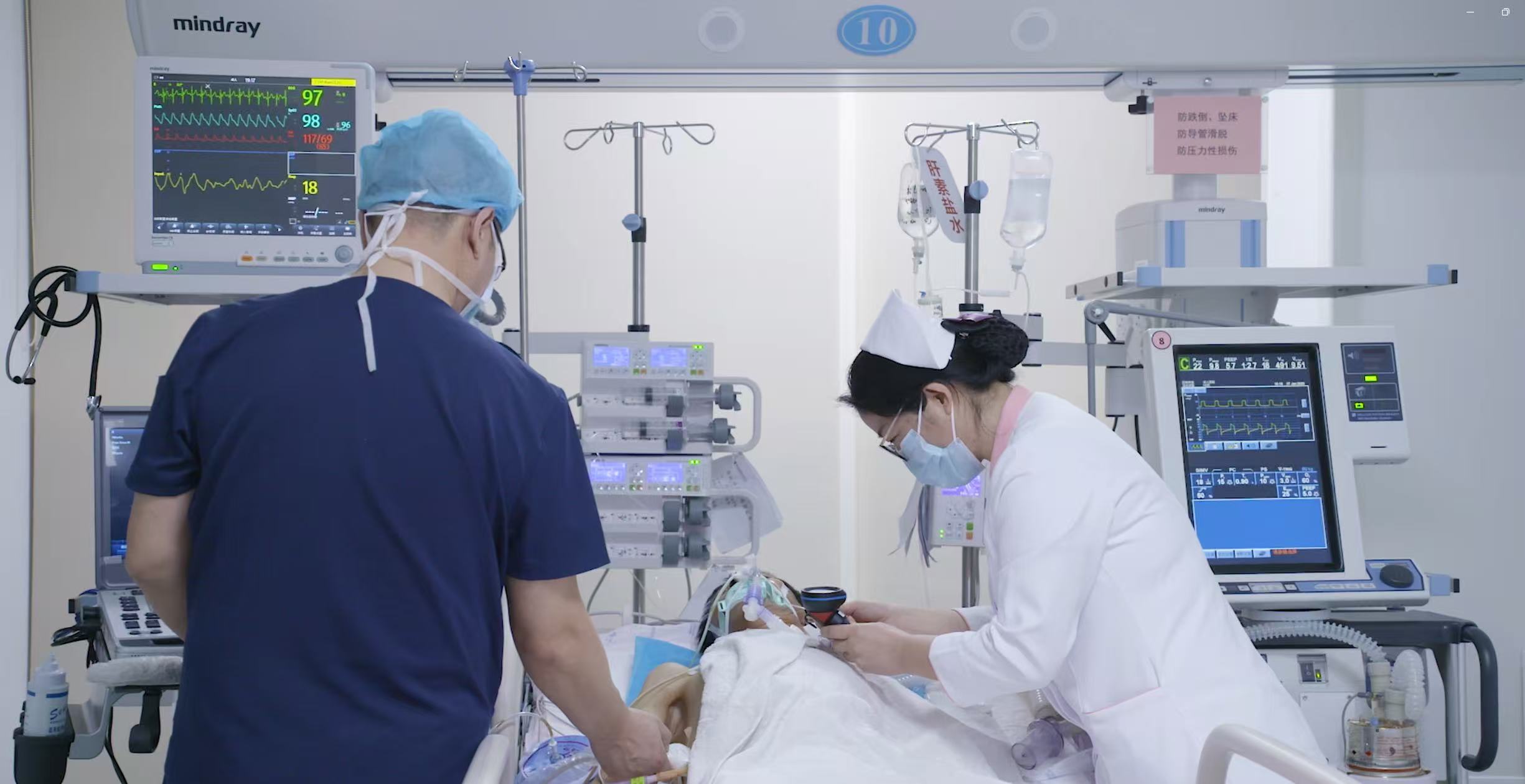
Applicable Population:

Applicable Population:
It needs to be evaluated by a professional hematologic malignancy doctor. The main factors considered include: disease type and stage, previous treatment history, current physical condition, target antigen expression status, etc. You can submit your medical records, and we will provide a free evaluation.
A comprehensive physical examination is required, including blood tests, imaging examinations, cardiac function evaluation, etc. At the same time, certain medications that may affect CAR-T cell function need to be discontinued. We will provide a detailed preparation guide.
Usually, hospitalization for 2–4 weeks is required, and the specific duration depends on individual response and whether side effects occur. The first 1–2 weeks after infusion are the critical observation period.
Age is not an absolute contraindication. We have successfully performed CAR-T therapy for many patients over 70 years old. The key lies in the overall health condition and organ function evaluation.
The first efficacy evaluation is usually conducted 2–4 weeks after infusion. Some patients may observe a reduction in tumor burden within 1–2 weeks after infusion.
Understand the Basic Knowledge of CAR-T Therapy—Comprehensive analysis of technical principles, indications, and treatment process
Top team, advanced technology, successful cases
Comprehensive analysis of disease types, diagnosis, and treatment
24-hour professional consultation to formulate the best treatment plan for you