
AR-T cell therapy is the most significant breakthrough in the field of hematologic malignancy treatment in recent years,
bringing hope of cure to relapsed and refractory patients
CAR-T cell therapy (Chimeric Antigen Receptor T-Cell Therapy) is one of the most revolutionary breakthroughs in the field of cancer treatment in recent years.It modifies the patient’s own T cells through genetic engineering technology, enabling them to precisely recognize and attack tumor cells, bringing unprecedented hope of cure to patients with hematologic malignancies.
In 2017, the U.S. FDA approved the first CAR-T product for marketing, marking that cancer treatment entered a new era of cellular immunotherapy.As of now, more than 10 CAR-T products have been approved worldwide, and China is in a world-leading position in the field of CAR-T research and development and clinical application, with 6 CAR-T products approved, covering multiple types of hematologic malignancies.
CAR (Chimeric Antigen Receptor) consists of the following parts:
• Single-chain variable fragment (scFv): recognizes tumor antigens
• Hinge region: provides flexibility
• Transmembrane domain: anchors the CAR structure
• Costimulatory domain: CD28 or 4-1BB, provides T-cell activation signals
• CD3ζ signaling domain: activates T-cell cytotoxic function
Step 1: Leukocyte Collection
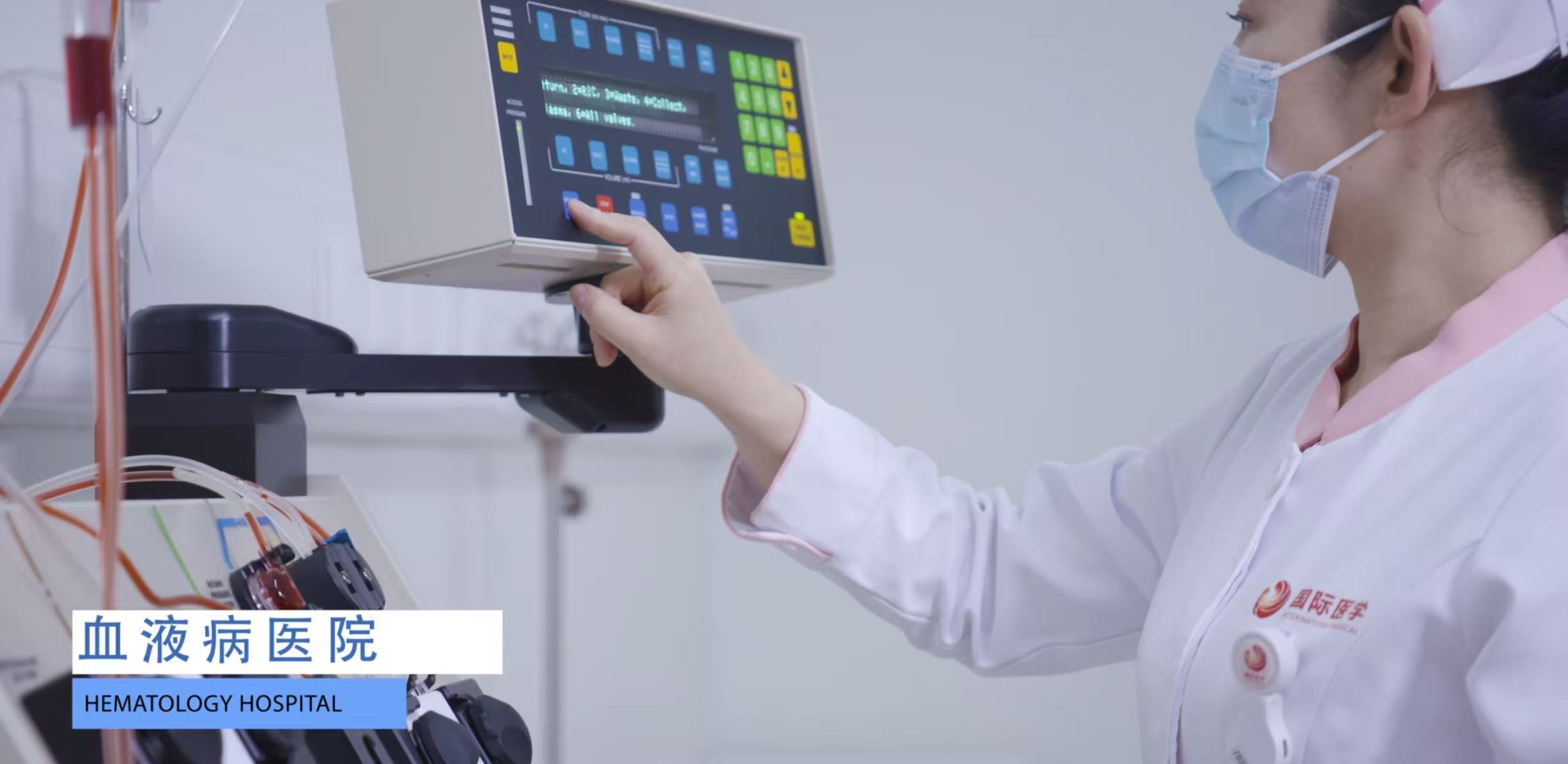
• Collect the patient’s peripheral blood mononuclear cells through a blood cell separator
• Isolate T cells for subsequent modification
Step 2: Genetic Engineering Modification
• Introduce the CAR gene into T cells
• Use lentiviral or retroviral vectors
• Culture and expand CAR-T cells in vitro
Step 3: Quality Testing
• Test the purity, activity, and sterility of CAR-T cells
• Ensure the product meets GMP standards
Step 4: Lymphodepletion
• The patient receives preconditioning chemotherapy
• Eliminate lymphocytes in the body to create space for CAR-T cells
Step 5: CAR-T Cell Infusion
• Single intravenous infusion
• CAR-T cells expand in vivo and attack tumors
• Fosun Kite: Axicabtagene Ciloleucel (Yescarta) - CD19 target, DLBCL
• JW Therapeutics: Relmacabtagene Autoleucel - CD19 target, DLBCL
• IASO Bio / Innovent Biologics: Equecabtagene Autoleucel (FUCASO®) - BCMA target, multiple myeloma
• Hebei Senlang Biotechnology: Nacociltagene Autoleucel - CD19 target, B-ALL
• CARsgen Therapeutics: Zevorcabtagene Autoleucel - BCMA target, multiple myeloma
• Legend Biotech / Johnson & Johnson: Ciltacabtagene Autoleucel - BCMA target, multiple myeloma
• First-generation CAR: contains only the CD3ζ signaling domain, limited clinical efficacy
• Second-generation CAR: adds a costimulatory domain (CD28/4-1BB), significantly improving persistence
• Third-generation CAR: dual costimulatory domain design, enhances activation signals
• Fourth/Fifth-generation CAR: introduces cytokine expression to enhance anti-tumor activity
• Universal CAR-T: uses healthy donor cells to reduce cost and improve accessibility

✓ Single infusion, durable efficacy
✓ Precise targeting, efficient killing
✓ Immune memory, prevention of relapse
✓ Overcome resistance, regain hope
CAR-T is a living cell drug that uses the patient’s own immune system to attack tumors, with characteristics such as precise targeting and durable efficacy after a single infusion. Traditional chemotherapy non-specifically kills rapidly dividing cells, has greater side effects, and requires multiple treatment cycles.
Clinical data show: BCMA CAR-T therapy for multiple myeloma achieves an ORR of 98.9% and a CR rate of 82.4%; CD19 CAR-T therapy for relapsed/refractory DLBCL achieves an ORR of about 50–80% and a CR rate of about 30–50%.
From cell collection to infusion takes about 3–4 weeks, and hospitalization for observation is required for 2–4 weeks after infusion. The entire treatment cycle is about 6–8 weeks.
In China, the cost of CAR-T therapy is about 50–70% of that in European and American countries, approximately 150,000–250,000 USD. We provide transparent cost evaluations and multiple payment options.
Some patients may relapse, and the relapse rate varies depending on the disease type. We provide long-term follow-up monitoring to detect and manage relapse in a timely manner.
CAR-T is mainly applicable to: relapsed/refractory B-cell acute lymphoblastic leukemia, relapsed/refractory diffuse large B-cell lymphoma, relapsed/refractory multiple myeloma, etc. Professional evaluation is required to determine suitability.
Understand the indications for CAR-T therapy and patient evaluation criteria
Top team, advanced technology, successful cases
Comprehensive analysis of disease types, diagnosis, and treatment
24-hour professional consultation to formulate the best treatment plan for you